Google Maps Ranking by LinkDaddy
LinkDaddy Google Maps Ranking offerings give businesses an opportunity to enhance their presence in local markets. By concentrating on optimizing business details and managing customer testimonials, they assist in enhancing rankings on Google Maps. Numerous local businesses have experienced substantial transformations through these approaches. The question remains: what specific techniques does LinkDaddy employ to achieve such outcomes, and how do they adapt their approach to different industries?
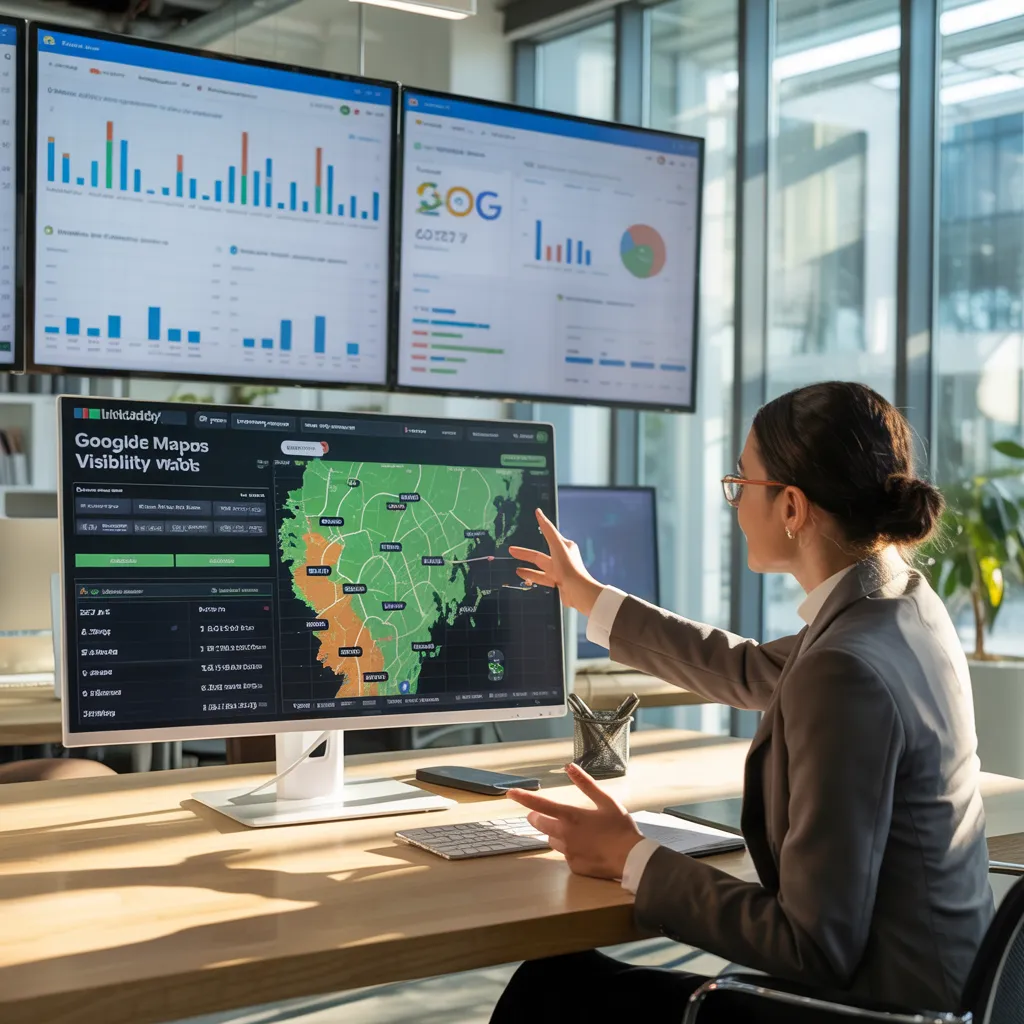
The Importance of Google Maps Rankings for Local Businesses
While numerous local businesses could underestimate the importance of Google Maps rankings, they hold an crucial role in attracting customers. A higher ranking on Google Maps boosts visibility, thus making it more likely that potential customers will locate the business when searching for relevant products or services. As consumers more and more depend on digital tools to locate local options, businesses that appear at the top of search results acquire a competitive edge.
Moreover, Google Maps rankings can shape consumer perceptions; businesses that rank higher are often seen as more credible and legitimate. This perception can lead to increased foot traffic and higher conversion rates. Additionally, optimized rankings can improve local SEO efforts, further driving organic traffic to the business's website. In an era where online presence is significant, understanding and improving Google Maps rankings is critical for local businesses striving to thrive in their communities.
Optimizing Your Business Data for Optimal Visibility
To improve visibility on Google Maps, businesses must guarantee their information is accurate and complete. This includes providing a consistent name, address, and phone number (NAP) across all online platforms. Furthermore, businesses should select the most relevant categories to describe their offerings, as this assists Google recognize their services and connect them with potential customers.
Premium images showcasing the business environment and products can also increase visibility and attract more clicks. Using thorough descriptions that incorporate keywords related to the business can further increase searchability.
Furthermore, upholding recent hours of operation and any special announcements helps keep customers in the loop and promotes engagement. Lastly, taking advantage of Google My Business functionalities, such as posts and Q&A, promotes interaction and delivers crucial information to potential clients. By following these best practices, businesses can enhance their Google Maps listing and improve their chances of being discovered by local consumers.
How Customer Feedback Affects Your Google Maps Ranking
Customer reviews play an essential role in defining a business's ranking on Google Maps. Elements including the value of ratings, the speed of responses to reviews, and the balance between quantity and quality significantly impact visibility. Comprehending these elements can help businesses boost their online presence and attract more customers.
Importance Of Ratings
When businesses attempt to strengthen their visibility on Google Maps, the importance of customer reviews becomes progressively clear. Ratings act as a crucial indicator of a business's reputation and quality, influencing potential customers' decisions. A higher related content average rating can result in increased trust, making users more likely to opt for one business over another. Moreover, Google's algorithms give preference to businesses with better ratings, often generating improved search rankings. Positive reviews can enhance a business's credibility while also providing details regarding customer experiences, which can guide operational improvements. Conversely, negative ratings can diminish visibility and discourage potential customers, highlighting the need for businesses to actively manage their online reputation through asking for and stimulating customer feedback.
Response Timing Impact
Promptness in responding to reviews can substantially impact a business's ranking on Google Maps. When businesses interact promptly with customer feedback, they display a devotion to customer satisfaction, which can enhance their online reputation. Google's algorithm often prefers businesses that demonstrate active communication with their clientele, making prompt responses a critical factor in boosting visibility. In addition, prompt replies can minimize negative experiences, potentially turning dissatisfied customers into loyal advocates. Conversely, delayed responses may transmit a signal of neglect, causing lower rankings. As a result, upholding an effective review response strategy is essential for businesses aiming to maximize their presence on Google Maps, ultimately impacting their competitive edge in the local market.
Volume Vs. Quality
While both quality and quantity of reviews play substantial roles in establishing a business's ranking on Google Maps, the balance between them can be critical. A greater volume of reviews can improve visibility, signaling to Google that a business is frequently engaged with and popular. Nevertheless, accumulating many low-quality reviews may not yield the desired rank. Instead, well-articulated, positive reviews that emphasize specific strengths can considerably boost reputation and reliability. Businesses should pursue a strategy that encourages authentic customer feedback, focusing on quality while also striving to grow the number of reviews. This combined approach can efficiently optimize Google Maps ranking, ultimately drawing in more customers and fostering sustained growth.
Elevating Your Google Maps Entry Via Linkdaddy
Improving a Google Maps listing is vital for businesses aiming for visibility and growth in a competitive landscape. One effective approach to improving this listing is through LinkDaddy, a service created to enhance online presence. LinkDaddy delivers a variety of tools to help businesses achieve higher rankings on Google Maps. By employing their expertise, businesses can guarantee their listings are not only accurate but also appealing to potential customers.
LinkDaddy concentrates on improving key elements such as business descriptions, categories, and images, which play a crucial role in attracting local clientele. Additionally, their strategies encompass managing reviews and ratings, fostering a positive image that resonates with users. With LinkDaddy's help, businesses can navigate the complexities of Google Maps optimization, ensuring that they stand out among competitors and effectively reach their target audience. In the end, this enhancement translates to increased foot traffic and potential sales growth.
Best Methods to Attract Local Customers through Google Maps
Engaging local customers through Google Maps needs a strategic approach. Enhancing a Google listing and utilizing local SEO techniques can significantly improve visibility and attract nearby consumers. These approaches are crucial for businesses seeking to establish a strong local footprint.
Optimize Your Google Business Listing
An optimized Google listing can significantly boost a business's visibility to local customers traversing Google Maps. To attain this, businesses should guarantee their listings are complete with accurate information, including business name, address, and phone number, often called NAP consistency. Quality images showcasing products or services can capture attention and encourage engagement. Moreover, encouraging satisfied customers to leave positive reviews can bolster credibility and improve rankings. Using relevant categories helps Google understand the business's offerings, boosting the chances of appearing in search results. Consistently updating the listing with posts and promotions can also keep the audience engaged. Overall, an optimized Google listing is vital for attracting local customers and driving foot traffic.
Utilize Location-Based SEO Strategies
Implementing local SEO techniques is critical for businesses looking to connect with nearby customers through Google Maps. Successful strategies include optimizing Google My Business profiles by ensuring accurate business information, such as address, phone number, and business hours. Additionally, businesses should solicit customer reviews, as positive feedback boosts reputation and visibility. Local keyword optimization plays a significant role; incorporating location-specific terms in website content and meta descriptions can improve search rankings. Using local backlinks from community organizations or local blogs can also enhance authority. In addition, creating engaging content that emphasizes local events or news can attract local interest. By implementing these techniques, businesses can strengthen their presence on Google Maps and drive foot traffic from nearby customers.
How to Keep Track of Your Progress in Google Maps Rankings?
Keeping track of Google Maps ranking is vital for businesses seeking to boost their online visibility. To properly assess their rankings, businesses can utilize various tools and approaches. Google My Business offers insights into how customers discover their business, which includes search queries and views. Consistently examining the business's position for relevant keywords can also deliver valuable data on ranking trends.
In addition, utilizing local SEO analytics tools can assist in track changes in rank over time. These tools typically offer features such as competitor analysis and keyword tracking, enabling businesses to recognize their standing in relation to others in the region.
Gathering customer reviews and tracking engagement metrics can moreover provide information into how ranking changes affect visibility and customer interaction. By combining these strategies, businesses can gain a thorough understanding of their Google Maps performance, enabling them to make educated adjustments to their online marketing efforts.
Real-World Success Stories: Companies Revolutionized by LinkDaddy
Companies have witnessed significant transformations by utilizing LinkDaddy's services to enhance their Google Maps rankings. One noteworthy example is a small landscaping company that faced challenges with visibility in a competitive market. After partnering with LinkDaddy, they experienced a 300% increase in inquiries within three months, generating substantial revenue growth.
In the same way, a local bakery was practically unheard of regardless of excellent products. With LinkDaddy's strategic optimization strategies, their Google Maps ranking climbed dramatically, resulting in a 150% growth in foot traffic.
One more success story centers on a dental practice that faced intense competition. By leveraging LinkDaddy's expertise, they secured a leading position on Google Maps, which led to a 200% increase in new patient appointments.
These authentic case studies demonstrate how companies can flourish through improved web presence and successful SEO tactics delivered by LinkDaddy, eventually revolutionizing their marketplace position and revenue generation.
Common Questions
How Often Will Google Update Its Maps Ranking Algorithms?
Google updates its maps ranking algorithms frequently, while the specific frequency can fluctuate. These updates commonly occur multiple times each year, focused on bettering search results and user experience via ongoing data evaluation.
What Role Does Social Media Play in Google Maps Rankings?
Social media influences Google Maps rankings by boosting visitor numbers, boosting brand visibility, and creating user engagement. Increased interactions on social platforms can contribute to higher local relevance, likely improving a business's position in search results.
Can I Improve My Ranking Without Paid Advertising?
Boosting a ranking without paid advertising is possible through enhancing business listings, enhancing customer reviews, maintaining consistent NAP (Name, Address, Phone) information, engaging with local communities, and leveraging organic social media strategies to enhance visibility.
How Do Competitors Affect My Google Maps Rankings?
Competition substantially affects Google Maps rankings through their internet visibility, customer reviews, and engagement levels. Elevated competition typically leads to greater challenges in obtaining visibility, making it essential for businesses to regularly enhance their strategies.
Can You Recover From a Ranking Drop?
Yes, it is possible to recover from a ranking drop. By analyzing changes, improving local SEO strategies, enhancing customer engagement, and ensuring consistent NAP information, you can greatly aid in regaining lost visibility and improving overall performance.